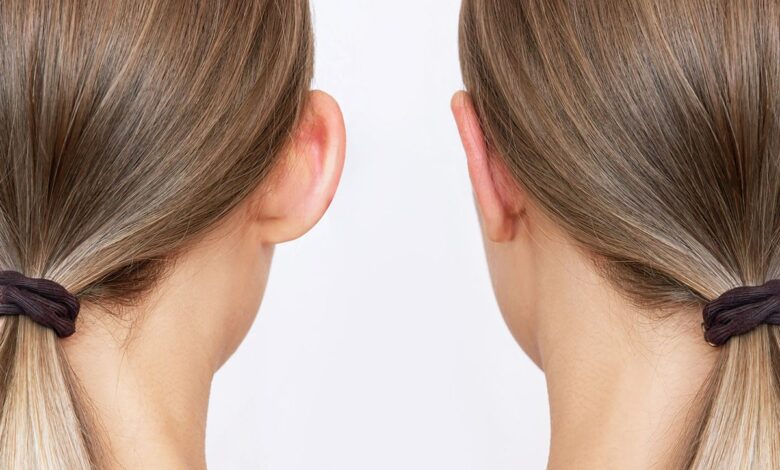
Ear surgery, medically known as otoplasty, is a highly effective cosmetic procedure designed to reshape, reposition, or resize the ears for a more balanced and natural appearance. Whether you’re concerned about protruding ears, asymmetry, or damaged earlobes, ear surgery offers long-lasting results with minimal downtime.
In this in-depth, SEO-friendly guide, you’ll learn everything about ear surgery—from types and benefits to recovery, risks, and cost—so you can make an informed decision.
What Is Ear Surgery?
Ear surgery (otoplasty) is a cosmetic surgical procedure that improves the shape, size, or position of the ears. It is commonly performed to correct:
- Protruding (prominent) ears
- Large ears (macrotia)
- Ear asymmetry
- Congenital ear deformities
- Torn or stretched earlobes
Unlike many cosmetic surgeries, otoplasty is suitable for both children and adults, making it a versatile solution for lifelong confidence.
Why People Choose Ear Surgery
Many individuals feel self-conscious about their ears, especially if they protrude noticeably or are uneven. Children may face teasing or bullying, while adults often seek ear surgery for aesthetic balance.
Key Reasons Include:
- Desire for improved facial harmony
- Boost in self-esteem and confidence
- Correction of birth defects or injuries
- Repair of earlobe damage from earrings or trauma
Ear surgery is not just cosmetic—it can have a profound psychological impact.
Types of Ear Surgery
Understanding the different types of ear surgery helps you choose the right procedure for your needs.
1. Ear Pinning (Prominent Ear Correction)
This is the most common form of otoplasty. The surgeon reshapes the cartilage and pins the ears closer to the head for a more natural look.
2. Ear Reduction Surgery (Macrotia)
For patients with overly large ears, this procedure reduces ear size while maintaining proportion with the face.
3. Ear Reshaping Surgery
This corrects structural deformities, such as folded or misshapen ears caused by genetics or trauma.
4. Earlobe Repair Surgery
Fixes stretched, torn, or gauged earlobes, often caused by heavy earrings or accidents.
Who Is a Good Candidate for Ear Surgery?
You may be a suitable candidate if you:
- Are unhappy with the appearance of your ears
- Have protruding or asymmetrical ears
- Are physically healthy with no serious medical conditions
- Have realistic expectations
- Are a parent considering surgery for a child over age 5
Age Considerations
Ear surgery is commonly performed on children once ear growth is complete (around age 5–6). Adults of any age can also benefit from the procedure.
Benefits of Ear Surgery
Ear surgery offers both physical and emotional advantages:
Aesthetic Benefits:
- Improved ear symmetry
- Balanced facial proportions
- Natural-looking results
Psychological Benefits:
- Increased confidence
- Reduced self-consciousness
- Improved social interactions
Practical Benefits:
- Permanent results
- Minimal scarring (hidden behind ears)
- Short recovery time
Ear Surgery Procedure: Step-by-Step
Understanding the process can ease anxiety and help you prepare.
1. Consultation
Your surgeon evaluates your ears, discusses goals, and recommends the best approach.
2. Anesthesia
- Local anesthesia with sedation (common for adults)
- General anesthesia (often used for children)
3. Incision
A small incision is made behind the ear to keep scars hidden.
4. Cartilage Reshaping
The surgeon reshapes, folds, or removes cartilage to achieve the desired look.
5. Suturing
Internal stitches secure the new ear position.
6. Dressing
Bandages are applied to protect the ears during initial healing.
Duration: Typically 1–2 hours
Setting: Outpatient procedure (you go home the same day)
Recovery After Ear Surgery
Recovery is generally quick, with most patients returning to normal activities within a week.
Recovery Timeline:
First 48 Hours:
- Mild discomfort and swelling
- Bandages remain in place
1 Week:
- Bandages removed
- Return to work or school
2 Weeks:
- Most swelling subsides
4–6 Weeks:
- Full healing achieved
Post-Surgery Care Tips:
- Wear a protective headband as advised
- Avoid sleeping on your ears
- Refrain from strenuous activities
- Follow your surgeon’s aftercare instructions
Risks and Complications
Ear surgery is considered safe, but potential risks include:
- Infection
- Bleeding
- Scarring (usually minimal)
- Asymmetry
- Temporary numbness
- Rare need for revision surgery
Choosing a qualified and experienced surgeon minimizes these risks.
Ear Surgery Cost
The cost of ear surgery varies depending on several factors:
Average Cost:
- $2,000 to $5,000 USD
Factors Affecting Cost:
- Surgeon’s expertise
- Geographic location
- Type of procedure
- Clinic and facility fees
- Anesthesia costs
Some clinics offer financing options or payment plans.
Ear Surgery Before and After Results
The results of ear surgery are usually permanent and noticeable immediately after healing.
What to Expect:
- Ears positioned closer to the head
- Improved symmetry
- Natural appearance
- Minimal visible scarring
Before-and-after photos during consultation can help set realistic expectations.
Ear Surgery for Children
Ear surgery is often recommended for children to prevent psychological distress.
Benefits for Children:
- Prevents bullying and teasing
- Boosts confidence early in life
- Faster healing compared to adults
Safety:
- Generally very safe when performed by a qualified surgeon
- Typically done under general anesthesia
Ear Surgery for Adults
Adults often seek ear surgery for cosmetic reasons or to correct long-standing concerns.
Advantages:
- Immediate aesthetic improvement
- Local anesthesia option
- Same permanent results as children
There is no upper age limit for ear surgery.
Non-Surgical Alternatives to Ear Surgery
While surgery provides the most effective results, some alternatives include:
Ear Molding (Infants Only)
A non-surgical method used in newborns to reshape ears.
Temporary Cosmetic Solutions
- Hairstyles that cover ears
- Ear correction clips (limited effectiveness)
These options are not permanent and are only suitable for mild cases.
Choosing the Right Surgeon
Selecting the right surgeon is crucial for successful results.
Look For:
- Board certification
- Experience in otoplasty
- Before-and-after portfolio
- Positive patient reviews
- Clear communication
Always schedule a consultation before making a decision.
Preparing for Ear Surgery
Preparation helps ensure a smooth procedure and recovery.
Before Surgery:
- Avoid smoking and alcohol
- Stop certain medications (as advised)
- Arrange transportation home
- Follow pre-surgery instructions
Aftercare and Long-Term Results
Proper aftercare is essential for optimal results.
Long-Term Care Tips:
- Protect ears from trauma
- Attend follow-up appointments
- Maintain a healthy lifestyle
Longevity:
Results are typically permanent, making ear surgery a one-time investment.
Common Myths About Ear Surgery
Myth 1: Ear surgery is painful
Fact: Discomfort is mild and manageable.
Myth 2: Results look unnatural
Fact: Modern techniques ensure natural outcomes.
Myth 3: Only children can get ear surgery
Fact: Adults can benefit just as much.
Myth 4: Scars are visible
Fact: Scars are hidden behind the ears.
Frequently Asked Questions (FAQs)
How long does ear surgery take?
Usually 1–2 hours.
Is ear surgery permanent?
Yes, results are long-lasting.
When can I exercise again?
Light activity after 2 weeks; full activity after 4–6 weeks.
Will insurance cover ear surgery?
Usually not, unless it’s medically necessary.
Final Thoughts
Ear surgery (otoplasty) is a safe, effective, and life-changing procedure for individuals seeking to improve the appearance of their ears. With minimal downtime, hidden scars, and permanent results, it remains one of the most rewarding cosmetic surgeries available.
If you’re considering ear surgery, consult with a qualified specialist to discuss your goals and explore the best treatment options for you.
READ ALSO: What Families Need to Know About Memory Health Changes


Hi mates, how is all, and what you desire to say regarding this paragraph, in my view its in fact amazing in support of me.
xnxx